Quick picks
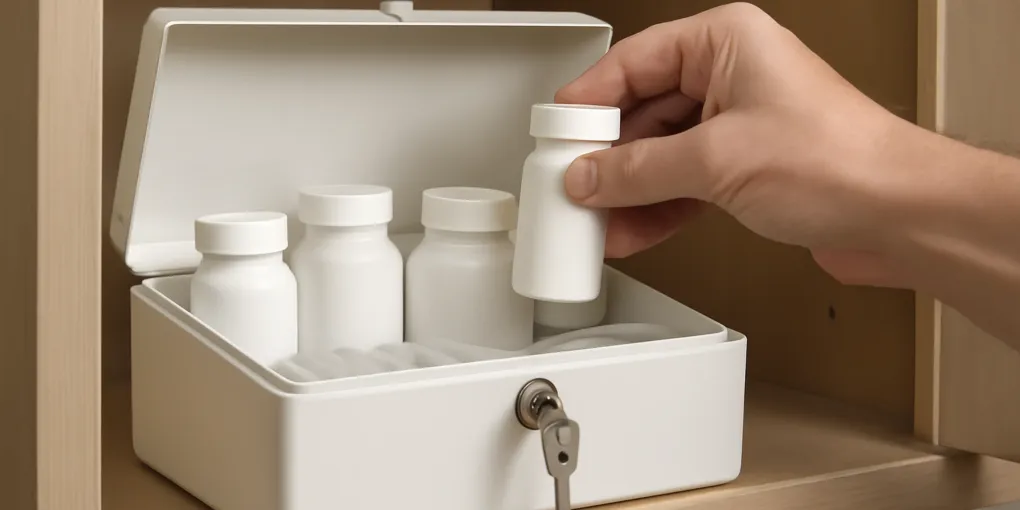
Portable medication lock box
★ Top pick Best safety reset- Best For: Daily prescriptions, child-resistant storage backup, and shared homes
- Caveat: Confirm internal height for tall bottles and keep the key or code controlled
Clear handled medicine bin
Best adult-only sorting aid- Best For: Sorting current adult items before they move into locked or high storage
- Caveat: A bin is not a substitute for locked storage where children or vulnerable visitors have access
Pill organizer case
Best weekly routine tool- Best For: Adults who already have a safe primary storage location
- Caveat: Do not leave filled organizers loose on counters, nightstands, or bags
Bathroom medicine clutter is not just a space problem. A crowded cabinet mixes current prescriptions, expired cold medicine, travel minis, loose dosing cups, and products that should not be easy for children or visitors to reach. The fix is not a prettier bathroom organizer. The fix is a safer storage system with fewer items in the bathroom.
If your cabinet also holds toiletries, start with our bathroom drawer organizer guide after this safety reset. Medication needs a stricter workflow than makeup, backup toothpaste, or cotton swabs.
Quick picks
- Controlled storage: Search Amazon for medication lock boxes for prescriptions and high-risk medicine.
- Sorting bin: Search Amazon for clear medicine bins for adult-only staging before locked storage.
- Routine support: Search Amazon for weekly pill organizers if you already have a safe primary location.
Step 1: remove medicine from the bathroom pile
Take every medication, supplement, ointment, first-aid tube, and dosing tool out of the bathroom cabinet or drawer. Put them on a clear counter away from children and pets while you sort. Do not leave the pile unattended.
Make four groups: current daily medication, occasional medicine, expired or unwanted medicine, and non-medicine bathroom supplies. This separation matters because a cabinet that looks organized can still hide expired products or mix adult prescriptions with ordinary toiletries.
Step 2: choose the safe storage location
The best default is high, dry, and controlled. A portable medication lock box inside a high cabinet works better than a bathroom shelf because it adds a boundary and reduces humidity exposure. In homes with children, teens, frequent guests, cognitive decline, or visiting relatives, the lock matters more than the container style.
A clear bin can help adults find cold medicine or first-aid supplies, but it is not the same as locked storage. Use clear bins for lower-risk adult items only after deciding what needs controlled access.
Step 3: build the lock box by risk
Put current prescriptions in the lock box first. Add any medication that would be dangerous if taken by the wrong person, including strong pain relievers, sedatives, stimulant prescriptions, heart medication, diabetes medication, and concentrated liquid medicine. Keep original labels when possible so dosing and pharmacy information stay with the bottle.
If a weekly pill organizer is part of the routine, treat the filled organizer as medication, not as a convenience object. It should not live loose on a nightstand, entry table, work bag, or kitchen counter. Store it in the same controlled area when not in active use.
Step 4: create an expiry and disposal routine
Expired and unwanted medicine should leave the active storage system immediately. Put it in a temporary disposal bag or bin that children and pets cannot access. FDA guidance recommends using drug take-back options when available and gives specific instructions for disposal when take-back is not available.
Do not keep expired medication in the cabinet as a reminder to deal with it later. That is how the safety reset turns back into a bathroom pile. Add a calendar check twice a year, or pair it with smoke alarm battery checks if that routine already exists in your home.
Step 5: keep non-medicine out of the lock box
Bandages, thermometers, sunscreen, cotton swabs, tweezers, and travel toiletries need their own zones. If every health-related object enters the lock box, the box becomes crowded and daily medication becomes harder to find. Use a first-aid bin for bandages and wound-care supplies, then keep the lock box focused on medication.
For under-sink or bathroom storage, avoid putting medicine near cleaning products, hair tools, or leak-prone plumbing. Our under-sink storage safety protocol covers that separate hazard zone.
Add a two-bin audit after the lock box
Once the controlled items are locked away, create two supporting bins outside the bathroom. The first is a first-aid bin for bandages, gauze, tape, thermometer covers, and wound-care basics. The second is an adult cold-and-allergy bin for items that do not require locked storage in your home but still need a dry, visible place.
Keep both bins smaller than you think you need. Oversized health bins invite duplicate buying because people cannot tell what is current. A clear handled bin on a high shelf is usually enough for occasional supplies. If the bin fills, sort by expiration date before buying another container.
Label the system without exposing private details
Use plain category labels such as daily, occasional, first aid, and disposal. Avoid writing private medical details on the outside of a box that guests, cleaners, or contractors might see. The inside of the lock box can stay organized by person or time of day if that helps the adult managing the medication.
Frequently Asked Questions
Is a lock box necessary for every home?
Not every adult-only home needs the same lock level, but every home benefits from controlled storage. If children, teens, guests, caregivers, or vulnerable adults enter the home, a lock box is a practical layer of protection.
Can vitamins and supplements stay with prescriptions?
Keep daily supplements separate unless they are part of the same supervised routine. Mixing large supplement bottles with prescriptions makes the box harder to audit and can hide expired medicine.
What should stay in the bathroom?
Keep only bathroom-use items there: bandages if they are dry, thermometer covers, cotton supplies, or wound-care tools. Medication should usually move to a dry cabinet or locked location.
Sources and safety notes
- FDA disposal guidance for unused medicines: https://www.fda.gov/drugs/safe-disposal-medicines/disposal-unused-medicines-what-you-should-know
- HealthyChildren household childproofing guidance: https://www.healthychildren.org/English/safety-prevention/at-home/Pages/Childproofing-Your-Home.aspx